Book Review: The Name of This Band is R.E.M. by Peter Ames Carlin
- Christian Farrell
- Sep 15, 2025
- 2 min read
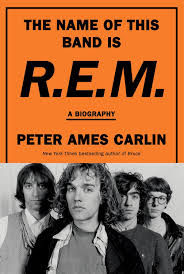
Ever since VH1's "Behind the Music" series, as well as countless music biopics, we've all become familiar with the band trajectory - a bunch of people get together to make music, turns out people like it, the band sells more and more albums as "themselves", only to turn into caricatures of themselves in order to keep the dollars rolling in, they live the high life, and suddenly one day the world has passed them by.
As told by Peter Ames Carlin, that's the R.E.M. story too. Sort of.
For one thing, some in the Athens, GA music scene, dominated by art-rock bands after the success of the B-52s, considered them sell-outs from the beginning - R.E.M. made music with things like "melody" and "harmony", and the members actually knew how to play their instruments. What poseurs.
For another thing, they were very upfront about changing their beliefs. As an early 80s college rock band, Michael Stipe said that mainstream radio wasn't ready for them...yet. Thirty years later, they were hoping fans would call into the DJs on LA's KROQ and ask them to play songs off of Accelerate.
Carline does a wonderful job wrapping this complex band of unique individuals into one digestible package. He goes over the creative process for each album (including rather difficult production periods like the one for Fables of the Reconstruction) and emphasizes the dream-like quality of the band's lyrics. He also goes in-depth on their concert tours, including the ill-fated early 90s tour in support of both Automatic For the People and Monster where they created New Adventures in Hi-Fi (my personal favorite album of all time) in their downtime - this was the tour that sent Bill Berry to the hospital (although not the first time he was in the hospital with a life-threatening situation during a European tour!).
I can't talk enough about what a masterful job Carlin does with the actual writing in this book. After a quick introduction piece, I expected that the book would start off with the childhoods of each of the four members, then run into how they each found their way to Athens, how they met, etc. Instead, Carlin uses Michael Stipe as the through-line, and brings up histories of the other members when they suit the main story. This going back-and-forth in time doesn't diminish the efforts of the other band members, it just bolsters the engagement of the story. For example, when Bill Berry quits the band - which happens around page 300, Carlin lets us know a piece of information that feels devastating and would have happened in real time around page 100.
Great book all around - nine out of ten hot dogs!


Comments